What Is Retinitis Pigmentosa?
Retinitis pigmentosa is a group of rare genetic eye conditions. These conditions cause cells in the retina to break down over time. The retina is the thin layer at the back of your eye. It helps you see by sending signals to your brain. Because retinitis pigmentosa affects the retina, it leads to progressive vision loss. In many cases, people notice problems with their night vision first. Over time, their side vision may also get worse. Although this condition is rare, it affects people all around the world. According to the World Health Organization, retinitis pigmentosa is one of the main causes of inherited blindness.
Common Symptoms of Retinitis Pigmentosa
Symptoms often start slowly and may not be noticed at first. However, as the condition progresses, the signs become clearer. Early symptoms often include trouble seeing in low light. As the disease advances, other vision problems can appear. For example, you might notice:
Because retinitis pigmentosa is a progressive eye disease, symptoms usually get worse over time. But the speed of vision loss can vary from person to person.
Causes and Risk Factors
Retinitis pigmentosa is mainly caused by changes in genes. These genes are passed down from parents to children. In fact, over 60 different genes have been linked to this condition. While anyone can develop retinitis pigmentosa, some families have a higher risk. For instance, if one or both parents have the gene, their children are more likely to get it. Sometimes, a person may be the first in their family to have the gene change. Other risk factors include:
Although the main cause is genetic, other factors like age or other eye diseases do not usually play a role.
How Retinitis Pigmentosa Is Diagnosed
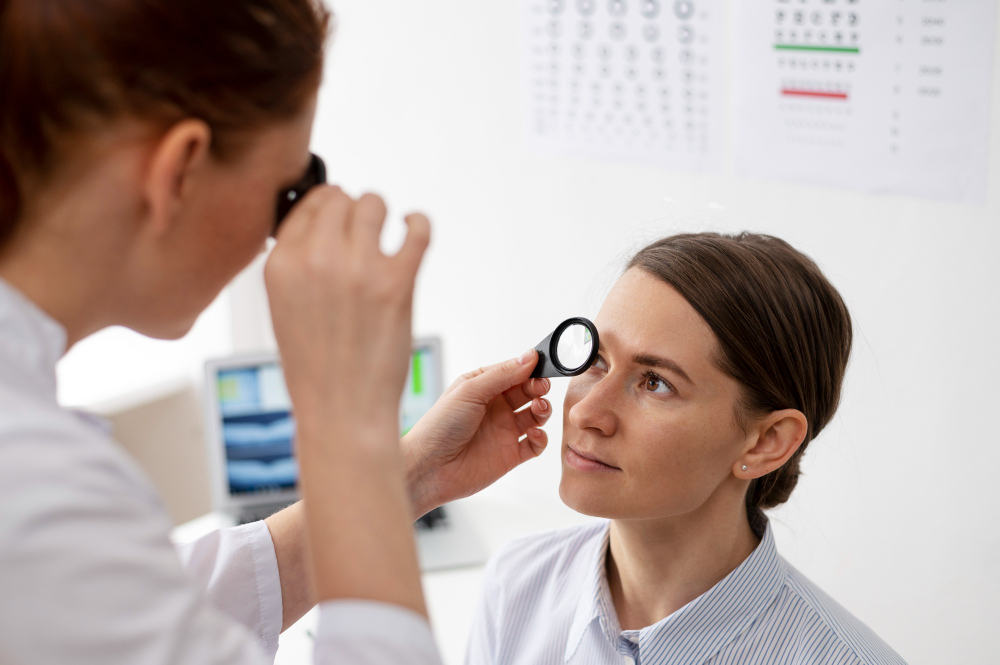
Doctors use several tests to diagnose retinitis pigmentosa. Early diagnosis can help you manage symptoms better. First, your eye doctor will ask about your symptoms and family history. Next, they may perform a detailed eye exam. Common tests include:
Because retinitis pigmentosa can look like other eye problems, these tests help confirm the diagnosis. Sometimes, doctors may refer you to a genetic counselor for more information.
Treatment Options for Retinitis Pigmentosa
Currently, there is no cure for retinitis pigmentosa. However, several treatments can help slow vision loss and improve quality of life. For example, some people benefit from vitamin A supplements, but only under a doctor’s care. Other options include:
Because new research is ongoing, treatment options may improve in the future. Always talk to your eye doctor before starting any new therapy.
Living With Retinitis Pigmentosa
Living with progressive vision loss can be challenging. However, many people with retinitis pigmentosa lead full, active lives. With the right support, you can adapt to changes in your vision. For instance, using low vision devices can help you read and move around safely. Many communities offer resources for people with vision loss. These may include support groups, counseling, and mobility training. Additionally, staying connected with your eye care team is important. They can help you manage symptoms and adjust your care as needed.
Tips for Prevention and Eye Health
Because retinitis pigmentosa is genetic, you cannot fully prevent it. However, there are steps you can take to protect your eye health and slow vision loss. For example:
Although you cannot change your genes, these steps can help you maintain the best vision possible. Early detection and care make a big difference for people with retinitis pigmentosa, hence consult Dr. Amogh Jambagi now.