

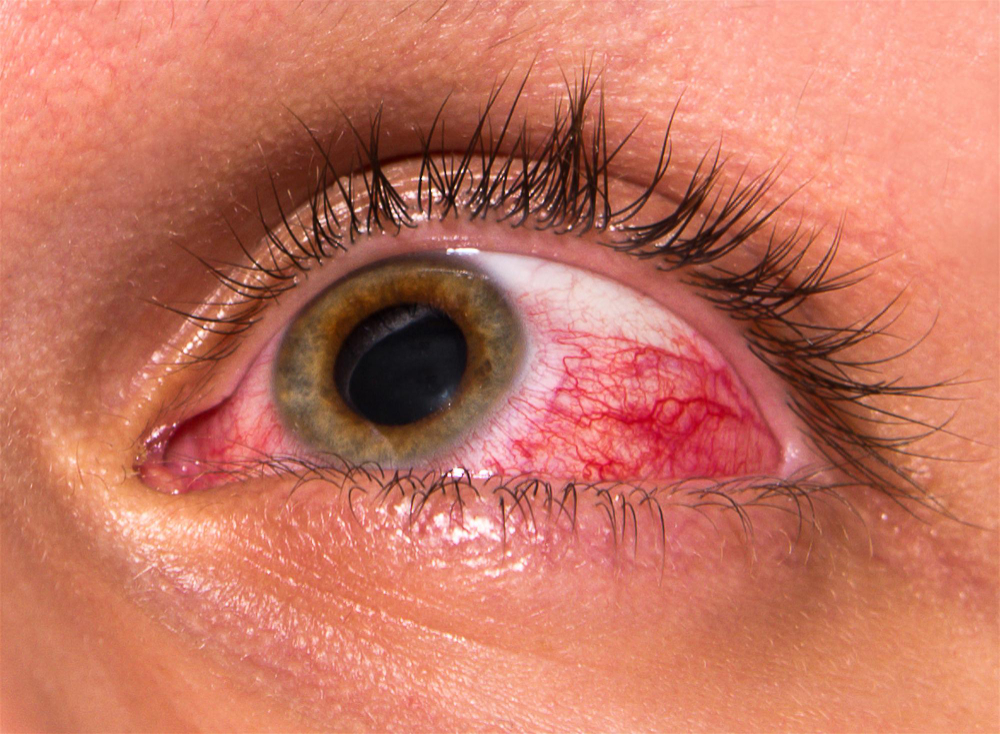
What is Conjunctivitis?
Conjunctivitis, often called pink eye, is a common eye condition. It happens when the thin layer covering the white part of your eye becomes inflamed. Because of this, your eye may look red or feel itchy. Many people worry about conjunctivitis because it spreads easily. However, most cases are mild and clear up with simple care. According to the CDC, conjunctivitis affects people of all ages. But children often get it more than adults.
Common Symptoms
Recognizing conjunctivitis early can help prevent its spread. Usually, symptoms appear in one or both eyes. For example, you may notice:
Sometimes, symptoms are mild. But in other cases, they can be more bothersome. If you notice pain or changes in vision, seek medical help right away.
Causes and Risk Factors
There are several causes of conjunctivitis. Most often, it is due to:
Because conjunctivitis spreads easily, close contact with an infected person increases your risk. Children in schools or daycare are at higher risk. Also, touching your eyes with dirty hands can lead to infection. Wearing contact lenses without cleaning them properly is another risk factor. According to the WHO, good hygiene can lower your risk.
How Conjunctivitis is Diagnosed
Doctors usually diagnose conjunctivitis by looking at your eyes and asking about your symptoms. Sometimes, they may take a sample of eye discharge. This helps find out if bacteria or viruses are causing the problem. However, most cases do not need special tests. If your symptoms are severe or do not improve, your doctor may suggest more tests.
Treatment Options
Treatment for conjunctivitis depends on the cause. For example:
Because some types are contagious, avoid sharing towels or pillows. Always wash your hands after touching your eyes.
Prevention Tips
Preventing conjunctivitis is possible with simple steps. For instance, you can:
Because conjunctivitis spreads quickly, these habits protect you and others.
Lifestyle Guidance for Recovery
While recovering from conjunctivitis, you can follow these tips:
Most people recover within one to two weeks. However, if your symptoms get worse or do not improve, contact your doctor.
Conclusion
Conjunctivitis is common but usually mild. Because it spreads easily, good hygiene is important. If you have symptoms, take steps to prevent spreading it to others. For the best care, consult Dr Amogh Jambagi for personalised advice and treatment for conjunctivitis.
