
Introduction
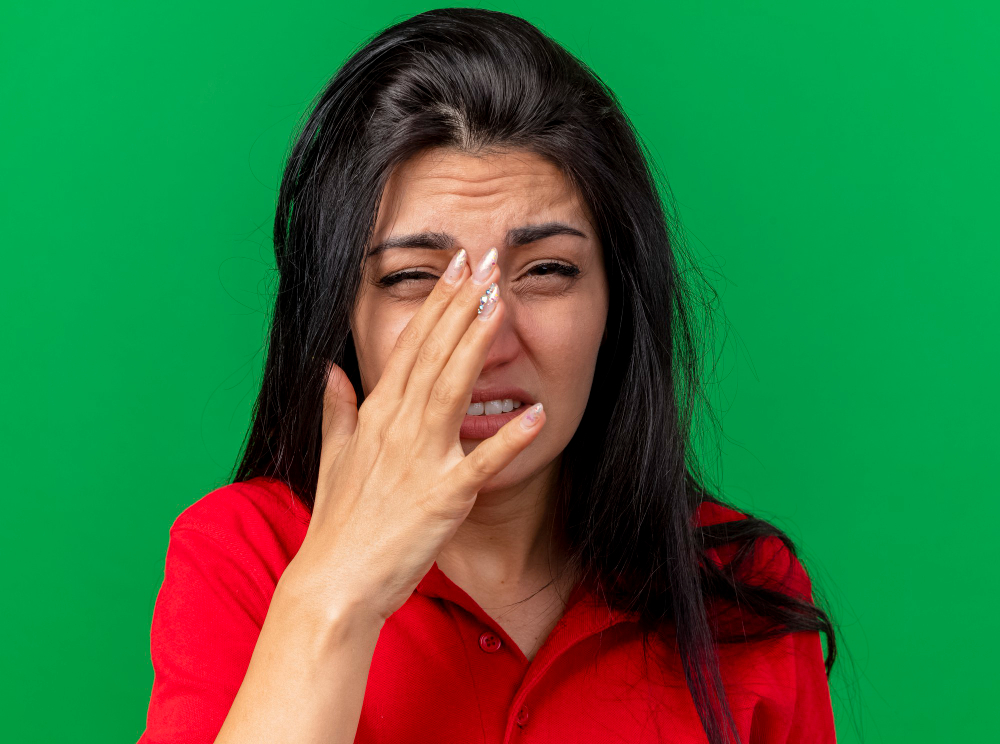
Eye irritation and itching in monsoon are common problems for many people. During the rainy season, high humidity and pollution can make your eyes feel itchy or uncomfortable. Often, people wonder if these symptoms are due to an allergy or an infection. Understanding the difference is important. In this blog, we will explore the causes, symptoms, and ways to prevent and treat eye irritation and itching during monsoon. This information will help you keep your eyes healthy and comfortable all season.
Common Symptoms
Many people notice eye problems during the rainy season. However, symptoms can vary from mild to severe. Here are some common signs of eye irritation and itching in monsoon:
Sometimes, these symptoms may appear together. But, the cause can be different for each person.
Causes
During monsoon, both allergies and infections can cause eye irritation and itching. Let’s look at the main differences:
Allergic Causes
Allergies happen when your eyes react to harmless things in the air. For example, pollen, dust, or mold can trigger allergies. In the rainy season, humidity helps mold and dust mites grow. As a result, more people get eye allergies. Common triggers include:
Allergic reactions usually cause both eyes to itch and water. But, they do not cause thick discharge.
Infectious Causes
Eye infections are caused by germs like bacteria or viruses. Monsoon weather makes it easy for these germs to spread. For instance, touching your eyes with dirty hands can lead to infection. Common types of eye infections in rainy season include:
Infections often cause redness, pain, and sticky discharge. Sometimes, only one eye is affected at first.
Diagnosis
It can be hard to tell if your symptoms are from an allergy or an infection. However, some clues can help you decide:
Doctors may check your eyes and ask about your symptoms. Sometimes, they may take a sample of eye discharge for testing. Early diagnosis helps prevent problems and protects your vision. According to the World Health Organization (WHO), timely care can reduce the risk of serious eye issues.
Treatment Options
There are many ways to treat eye irritation and itching in monsoon. The right treatment depends on the cause. Here are some options:
Home Remedies
Over-the-Counter Solutions
Prescription Treatment
Always follow your doctor’s advice. Do not use someone else’s eye drops, as this can spread infection.
Prevention Tips
Preventing eye irritation and itching in monsoon is possible with simple steps. Try these tips to protect your eyes:
These habits can lower your risk of both monsoon eye allergies and infections.
Lifestyle Guidance
Good daily habits can keep your eyes healthy, even in the rainy season. Consider these lifestyle tips:
With these steps, you can enjoy the monsoon without worrying about eye problems.
Conclusion
To sum up, eye irritation and itching in monsoon can be caused by allergies or infections. Knowing the difference helps you choose the right care. If you experience persistent eye irritation or itching during the monsoon, consult an eye specialist Dr Amogh Jambagi for personalized care.
