
Retinal detachment is a serious eye problem that can lead to vision loss. Because it often happens suddenly, knowing the early signs of retinal detachment is important. If you notice any warning signs, you should seek emergency eye care right away. Quick action can help save your sight.
What Is Retinal Detachment?
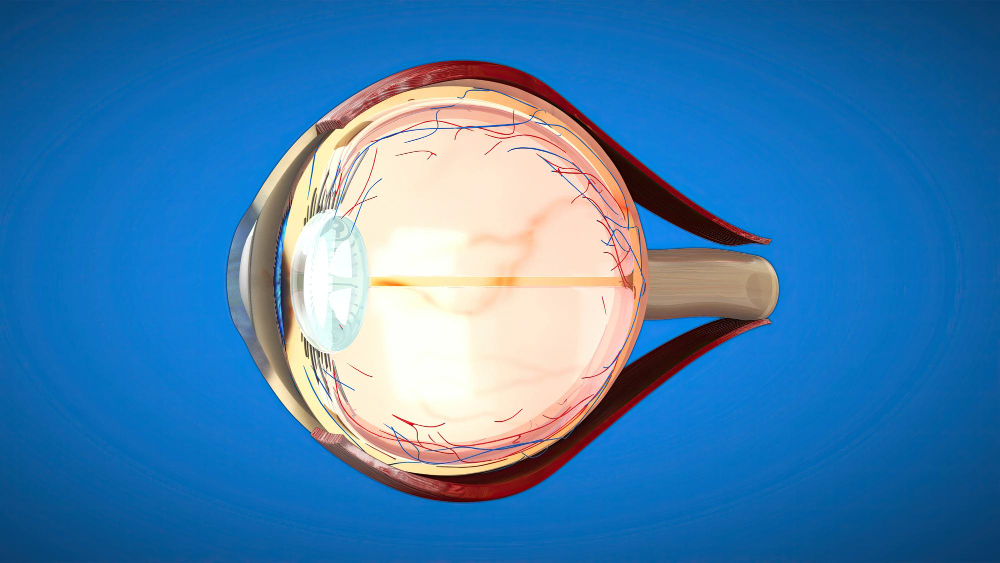
Retinal detachment happens when the retina pulls away from its normal place at the back of the eye. The retina is a thin layer of tissue that senses light and sends signals to your brain. When it detaches, the retina cannot work as it should. As a result, vision can become blurry or lost. According to the World Health Organization, retinal detachment is a medical emergency. Without fast treatment, permanent vision loss can occur.
Key Warning Signs of Retinal Detachment
Recognizing the early signs of retinal detachment can help prevent lasting damage. While symptoms may vary, you should watch for these warning signs:
Sometimes, these symptoms may come on quickly. For example, you might notice a dark area spreading across your vision. If you have any of these retinal detachment symptoms, seek emergency eye care right away.
Causes and Risk Factors
Retinal detachment can happen for several reasons. However, some people have a higher risk than others. Common causes and risk factors include:
In addition, certain medical conditions like diabetes can increase your risk. Knowing your risk factors can help you stay alert to early signs of retinal detachment.
How Retinal Detachment Is Diagnosed
Doctors use special eye exams to diagnose retinal detachment. First, they check your vision and ask about your symptoms. Next, they use tools to look inside your eye. For example, an eye doctor may use a bright light and a lens to see the retina. Sometimes, they use ultrasound if the view is blocked by bleeding. Early diagnosis is key to preventing vision loss. If you have any warning signs, do not wait to get checked.
Treatment Options for Retinal Detachment
Treatment for retinal detachment often requires surgery. The type of surgery depends on the cause and how much of the retina is detached. Common treatments include:
With prompt treatment, many people regain some or most of their vision. However, waiting too long can lead to permanent vision loss.
Preventive Tips and Eye Health Guidance
While not all cases can be prevented, you can lower your risk. Try these tips to protect your eyes:
Because early signs of retinal detachment can be easy to miss, staying aware is important. Regular check-ups and quick action help keep your vision safe. Book a consultation with the best eye doctor Dr. Amogh Jambagi now.