
If you notice a bump on your eyelid, you may wonder if it is a stye or chalazion. Both can look similar, but they are not the same. Stye or chalazion are common eyelid problems that can cause discomfort. However, knowing the difference helps you get the right care. In this blog, we will explain what sets them apart, their symptoms, causes, and how to treat them.
What Is a Stye?
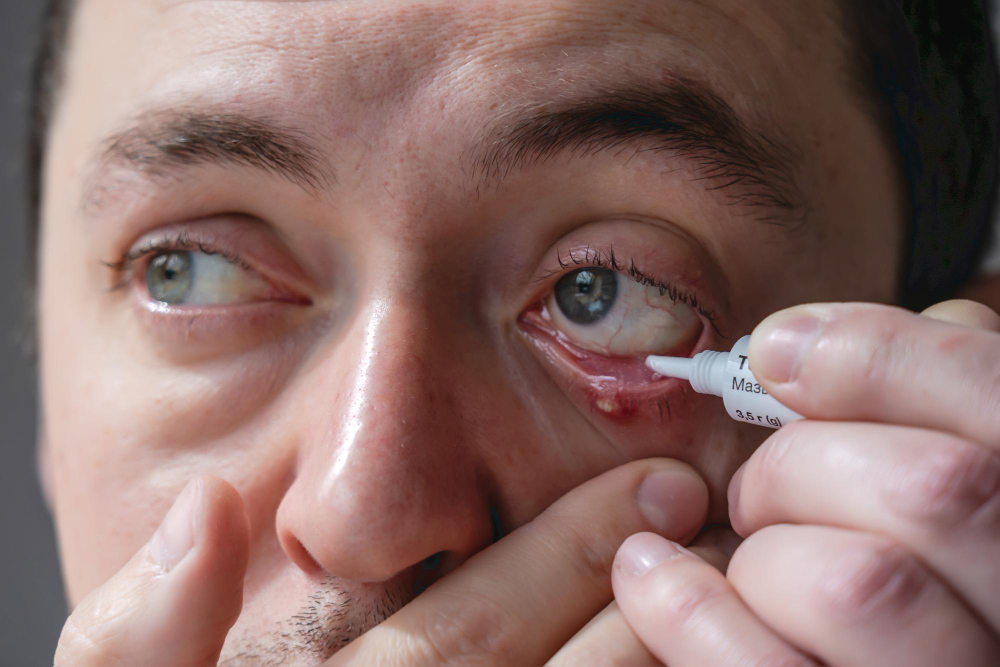
A stye is a red, painful bump on the edge of your eyelid. Usually, it looks like a small pimple. Often, it forms when bacteria infect an eyelash follicle or oil gland. Because of this, the area may swell and feel sore. Styes can also cause your eye to water or feel scratchy. Most styes appear quickly and may fill with pus.
What Is a Chalazion?
Unlike a stye, a chalazion is a painless lump that forms farther from the eyelid edge. It develops when an oil gland gets blocked. As a result, oil builds up and creates a firm bump. Chalazia (the plural of chalazion) grow more slowly than styes. Although they are not usually painful, they can become tender if they get large.
Key Differences Between a Stye and a Chalazion
Because both cause eyelid bumps, it is easy to mix them up. Still, their causes and symptoms are different.
Symptoms of Stye and Chalazion
Both stye and chalazion can cause eyelid swelling. However, their symptoms are not the same. For example, styes often cause:
On the other hand, chalazia may cause:
Because symptoms can overlap, a doctor can help tell the difference.
Causes and Risk Factors
Styes are caused by a bacterial infection, usually from Staphylococcus bacteria. In contrast, chalazia happen when an oil gland gets blocked, not infected. However, some risk factors can increase your chances of getting either:
Because these bumps are common, anyone can get them. Still, some people are more at risk.
Diagnosis Methods
Doctors usually diagnose stye or chalazion by looking at your eyelid. They may ask about your symptoms and how long you have had the bump. Sometimes, they will gently press on the eyelid to check for pain or firmness. Rarely, if the bump does not heal, your doctor may suggest more tests. However, most cases do not need lab tests or scans.
Treatment Options
Most styes and chalazia heal on their own. Still, there are ways to help them go away faster. For example, you can:
If the bump does not improve, your doctor may prescribe antibiotic ointment for a stye. In rare cases, a chalazion may need to be drained by a doctor. Because most bumps heal without treatment, surgery is not common.
Prevention Tips
There are steps you can take to lower your risk of eyelid bumps. For example:
Because good hygiene helps, these tips can prevent both stye and chalazion.
When to See a Doctor
Most eyelid bumps are not serious. However, you should see a doctor if:
Because some eye problems can look like stye or chalazion, it is important to get checked if you are unsure.
Conclusion
If you have a bump on your eyelid or are unsure about your symptoms, Dr.Amogh Jambagi is here to help. Book a consultation today for expert advice and the right care for your eyes.