
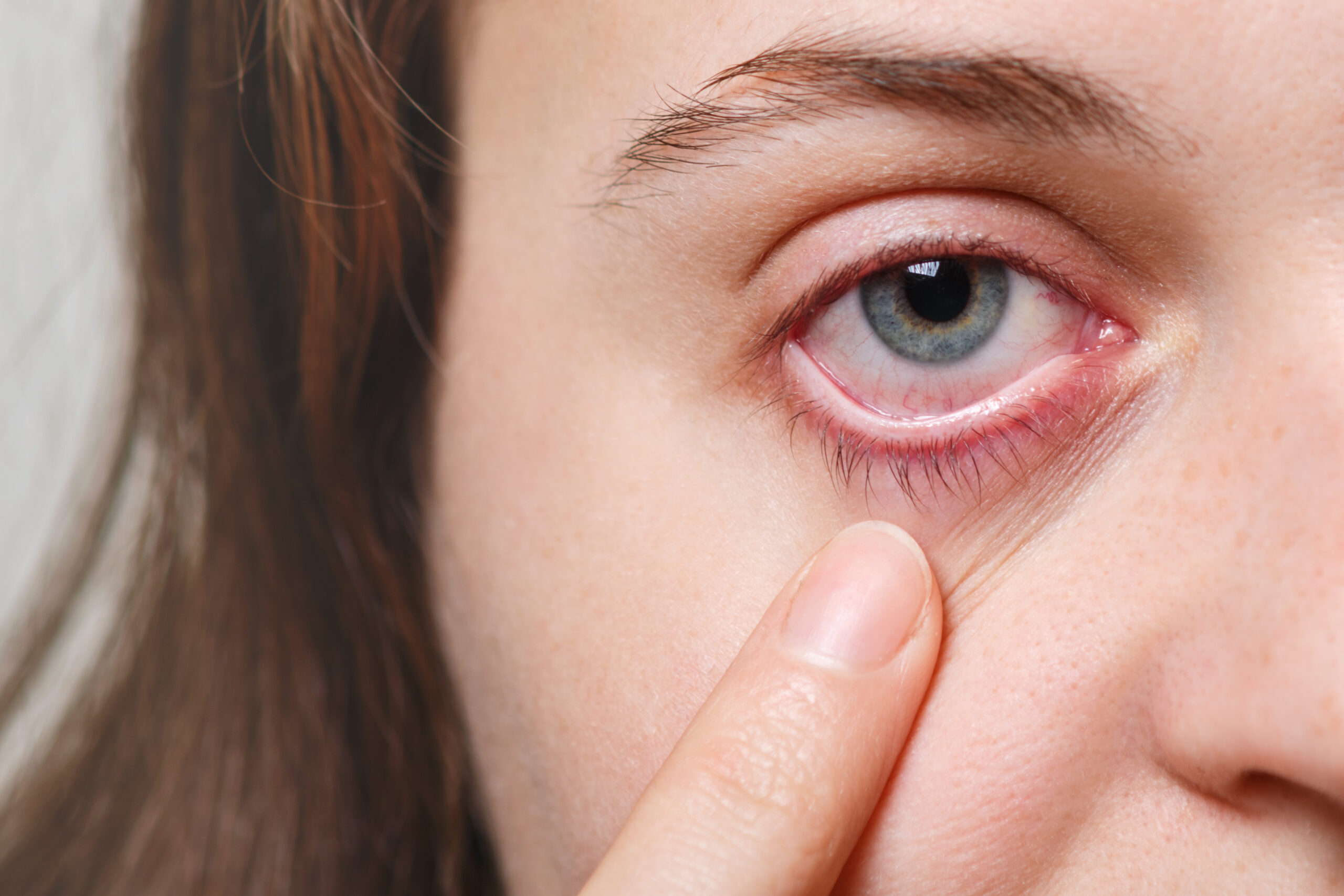
Cataracts are a common eye problem, especially as people age. They cause the lens of your eye to become cloudy. As a result, vision becomes blurry or dim. Many people want to know how to prevent eye cataract. While some risk factors cannot be changed, you can take steps to protect your eyes. In this blog, you will learn easy ways to reduce cataract risk and keep your eyes healthy.
What Are Cataracts?
A cataract is a cloudy area in the lens of your eye. Normally, the lens is clear and helps focus light. However, with a cataract, light cannot pass through easily. This makes it hard to see clearly. Cataracts can affect one or both eyes. Over time, they may get worse. According to the World Health Organization (WHO), cataracts are a leading cause of vision loss worldwide.
Why Prevention Matters
Preventing cataracts is important for good vision. Once a cataract forms, only surgery can remove it. However, you can delay or reduce your risk by making healthy choices. Early prevention helps you enjoy clear vision for longer. In addition, it lowers your chance of needing surgery later in life.
Top Tips to Prevent Eye Cataract
There are many ways to protect your eyes and avoid cataracts. Here are some simple tips:
Lifestyle and Dietary Guidance
Healthy habits can make a big difference. For example, eating more fruits and vegetables gives your body the nutrients it needs. Leafy greens, oranges, and nuts are good choices. Also, staying active helps control blood sugar and blood pressure. Drinking enough water keeps your eyes moist and healthy. In addition, try to get enough sleep each night. Good rest supports your overall eye health.
When to See an Eye Specialist
Sometimes, you may notice changes in your vision. For instance, you may see blurry spots or have trouble seeing at night. If this happens, see an eye specialist soon. Early treatment can prevent further vision loss. Even if you have no symptoms, regular eye exams are important. Your doctor can check for early signs of cataracts or other eye problems.
Frequently Asked Questions (FAQs)
Consult an eye specialist for personalized advice on cataract prevention. Schedule a consultation with Dr. Amogh Jambagi for expert guidance and care.
