
What is a Chalazion?
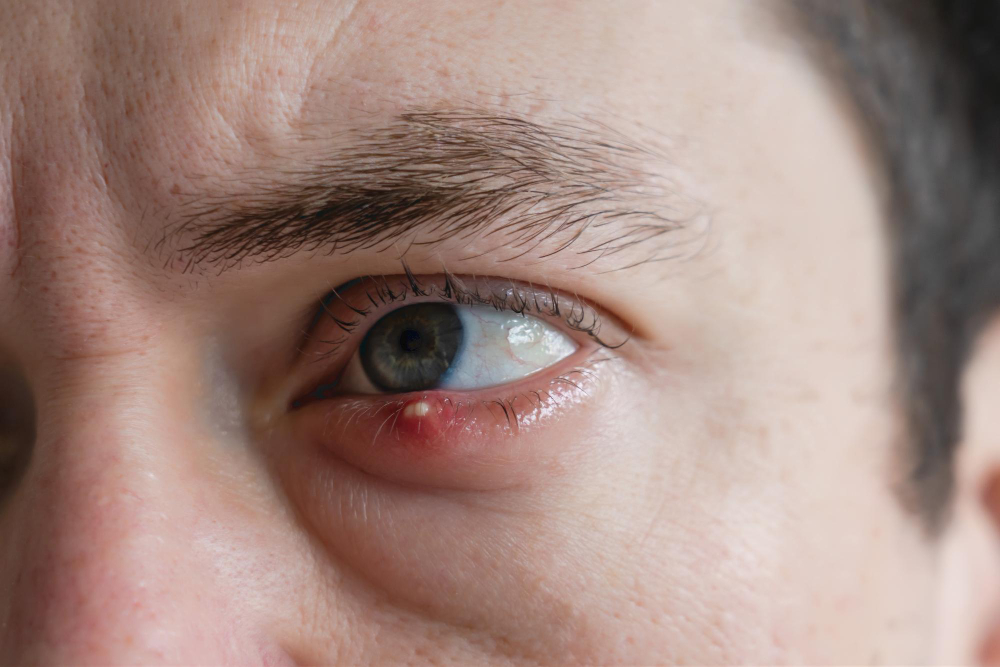
A chalazion is a small, painless bump on your eyelid. It forms when an oil gland in the eyelid gets blocked. Although it may look like a stye, a chalazion is usually not painful. Many people confuse a chalazion with a stye, but they are different. A stye is often red, sore, and caused by an infection. In contrast, a chalazion is not usually red or tender. Knowing the difference helps you choose the right treatment. Chalazion is a common eye problem, and it can affect anyone.
Common Symptoms of Chalazion
At first, a chalazion may look like a small, swollen spot on your eyelid. Over time, it can grow larger. However, most chalazia do not hurt. Still, they can cause discomfort or make your eyelid feel heavy. Sometimes, they can blur your vision if they press on your eye. Here are some common chalazion symptoms:
Unlike a stye, a chalazion is not usually painful. But if you notice pain or redness, it could be a stye or an infection.
Causes and Risk Factors
Chalazion forms when an oil gland in your eyelid gets blocked. Because oil cannot drain, it builds up and causes a lump. Several factors can increase your risk of getting a chalazion. For example, people with oily skin or certain skin conditions are more likely to get them. Here are some common causes and risk factors:
In addition, people with certain medical conditions, like diabetes, may have a higher risk.
Diagnosis Methods
Usually, an eye doctor can diagnose a chalazion by looking at your eyelid. No special tests are needed in most cases. However, the doctor may ask about your symptoms and medical history. Sometimes, they may gently press on the bump to check for pain or infection. If the lump does not go away or looks unusual, your doctor may suggest more tests. For example, they may check for other eyelid problems or rare conditions.
Treatment Options for Chalazion
Most chalazia go away on their own within a few weeks. However, there are several ways to speed up healing. Both home care and medical treatments can help. Here are some common chalazion treatment options:
Home Care Tips
Many people ask how to treat chalazion at home. Warm compresses are the best first step. They help soften the oil and open the blocked gland. But if the bump does not improve, you may need medical help.
Medical Treatments
Doctors usually suggest surgery only if other treatments fail. The procedure is quick and safe. According to the American Academy of Ophthalmology, most people recover well after treatment.
Prevention Tips
Although you cannot always prevent a chalazion, good eyelid care can lower your risk. For example, you can:
Because prevention is easier than treatment, these steps can help keep your eyes healthy.
When to See an Eye Specialist
Most chalazia are harmless and go away with home care. However, you should see an eye specialist if:
Early treatment can prevent problems. In summary, if you suspect a chalazion, consult an eye specialist Dr Amogh Jambagi for personalized advice.
