Introduction
Many people wonder why routine eye exams matter, especially if they see well. However, regular eye check-ups are important for everyone. Routine eye exams help protect your vision and catch problems early. In fact, many eye diseases show no signs at first. Because of this, you may not notice changes until the condition is serious. By getting regular eye exams, you can keep your eyes healthy and enjoy clear vision for years to come.
What Are Routine Eye Exams?
Routine eye exams are regular check-ups with an eye care professional. During these visits, your eyes are tested for vision and health problems. For example, the doctor checks how well you see and looks for signs of eye diseases. Even if you do not wear glasses, these exams are still important. After all, some eye conditions can develop without symptoms.
Key Benefits of Regular Eye Check-Ups
There are many reasons to schedule regular eye exams. Not only do they help you see better, but they also protect your overall health. For instance, eye exams can:
Because of these benefits, regular eye exams are a smart choice for everyone.
Common Eye Conditions Detected Early
Routine eye exams can catch many eye problems before they get worse. For example, some common conditions found early include:
Because these conditions may not cause pain or early warning signs, regular exams are key for early detection and treatment. According to the CDC, early treatment can prevent most vision loss from common eye diseases.
What to Expect During an Eye Exam
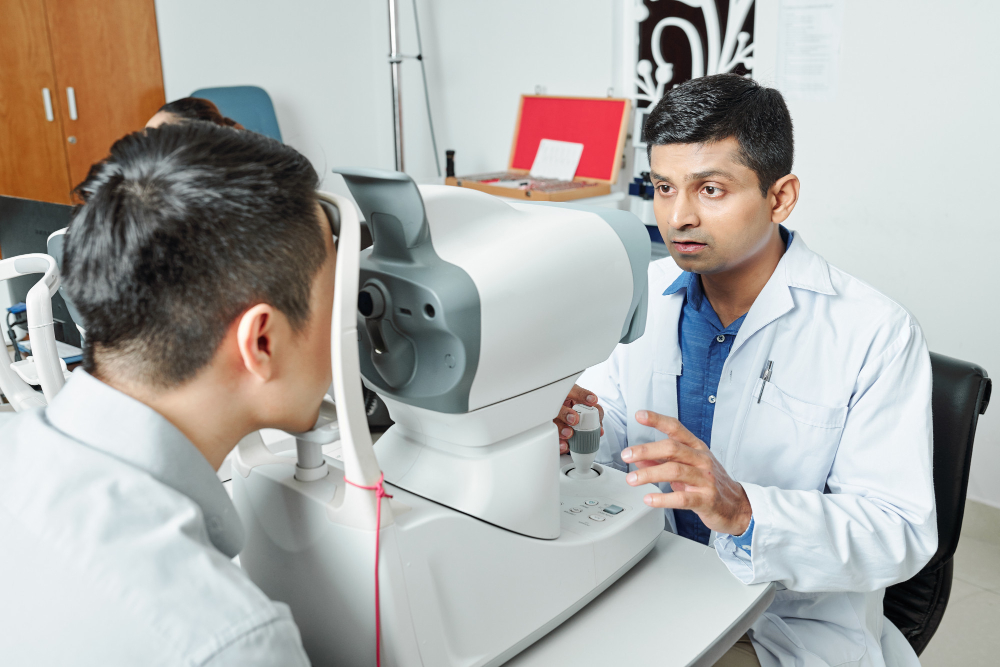
Many people feel nervous before an eye exam, but the process is simple and painless. During a routine eye exam, you can expect:
Sometimes, the doctor may use drops to widen your pupils. This helps them see the back of your eye more clearly. After the exam, you can ask questions and discuss any concerns.
How Often Should You Get an Eye Exam?
How often you need an eye exam depends on your age, health, and risk factors. However, general guidelines from the American Academy of Ophthalmology suggest:
Because your needs may change, always follow your eye care professional’s advice.
Tips for Maintaining Eye Health
Besides regular exams, you can take steps to keep your eyes healthy. For example, try these simple tips:
By following these tips, you can support good vision and eye health every day.
Prevention and Early Detection: Why Timing Matters
Early detection is one of the most important reasons why routine eye exams matter. Many eye diseases can be treated more easily when found early. In addition, some health problems show up first in the eyes. For example, high blood pressure or diabetes may be noticed during an eye exam. Because of this, regular check-ups can protect both your vision and your overall health.
Conclusion
Routine eye exams are a simple way to protect your vision and catch problems early. Even if you see well, regular check-ups are important for everyone. Schedule a routine eye exam with Dr. Amogh Jambagi, a qualified eye care professional, to protect your vision.
