

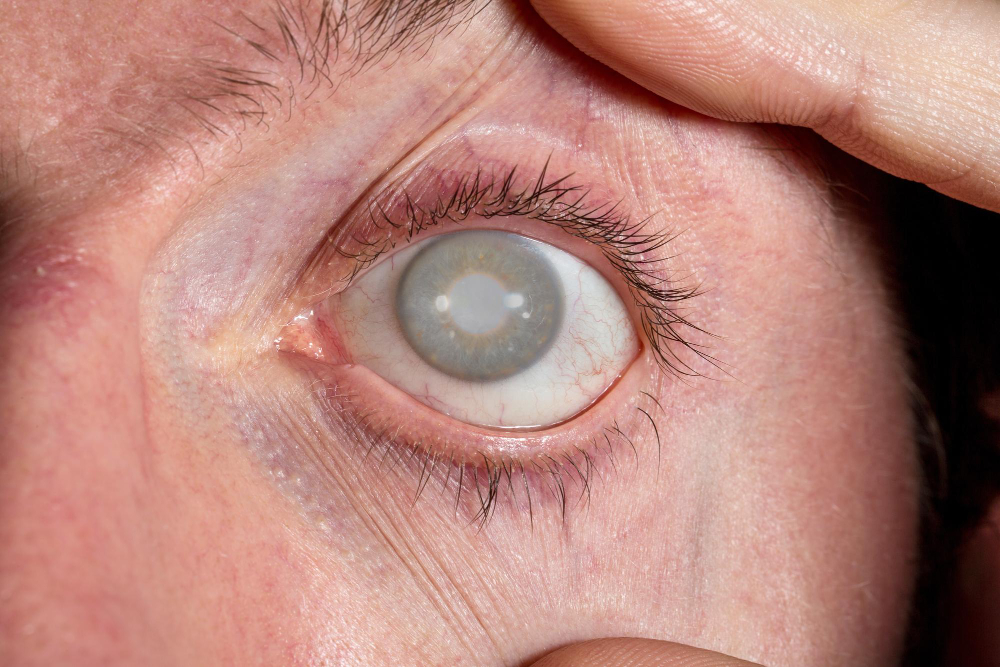
Macular edema is a condition that affects the center of your retina, called the macula. This part of your eye helps you see fine details. When fluid builds up in the macula, it can cause swelling and blurry vision. Early treatment for macular edema is very important. Without quick care, you may lose some or all of your central vision. Because vision loss can be permanent, knowing the signs and acting fast can protect your eye health.
What Is Macular Edema?
Macular edema happens when fluid leaks into the macula. As a result, the macula swells and cannot work as it should. Since the macula lets you read, drive, and see faces, any swelling can make daily life harder. For example, you might notice colors look faded or lines appear wavy. According to the American Academy of Ophthalmology, macular edema is a leading cause of vision loss in adults.
Common Symptoms of Macular Edema
Often, people do not notice early signs. However, as the swelling grows, symptoms become clearer. If you have any of these macular edema symptoms, see an eye doctor right away:
Because these symptoms can get worse over time, early treatment for macular edema is key to vision loss prevention.
Causes and Risk Factors
Many things can cause macular edema. Most often, it is linked to other eye problems or health issues. For instance, diabetes is a common cause. In fact, diabetic macular edema is a leading reason for vision loss in people with diabetes. Other causes include:
Additionally, certain risk factors make macular edema more likely. These include high blood pressure, long-term diabetes, and a history of eye problems. Because some people are at higher risk, regular eye exams are important.
How Macular Edema Is Diagnosed
Doctors use special tests to find macular edema. First, they may use eye drops to widen your pupils. Then, they look at the back of your eye with a bright light. Often, they use imaging tests such as:
Because these tests are quick and painless, you can get results the same day. Early diagnosis helps guide the best treatment plan.
Treatment Options for Macular Edema
There are several ways to treat macular edema. Your doctor will choose the best option based on the cause and how much swelling you have. Common treatments include:
Sometimes, treating the underlying cause, such as controlling diabetes or high blood pressure, can help. Because each case is different, your eye doctor will explain the best steps for you.
Why Early Treatment Matters
Early treatment for macular edema can save your vision. When swelling is caught early, treatments work better and faster. If you wait too long, vision loss may become permanent. For example, the World Health Organization notes that quick care can prevent many cases of blindness from macular edema. In addition, early action lowers your risk of needing more complex treatments later. Because your central vision is so important, never ignore changes in your sight.
Tips for Protecting Your Vision
There are simple steps you can take to protect your eyes. Even small changes can make a big difference. For example:
Because vision loss can happen quickly, these habits help keep your eyes healthy.
Preventive Measures and Lifestyle Guidance
Preventing macular edema starts with good health habits. For instance, if you have diabetes, check your blood sugar often. If you smoke, try to quit, as smoking raises your risk for eye diseases. In many cities, eye care clinics offer free or low-cost screenings. Because early detection is so important, take advantage of local resources. Additionally, stay active and eat foods that support eye health, such as carrots, spinach, and salmon. With these steps, you can lower your risk of macular edema and protect your vision for years to come.
Conclusion
If you notice any changes in your vision, do not wait. Book a consultation with Dr. Amogh Jambagi to get expert advice and protect your eye health.