
Corneal collagen crosslinking is an important ophthalmology procedure. It helps strengthen the cornea, which is the clear front part of your eye. This treatment is mainly used for people with weak or thinning corneas, such as those with keratoconus. Because it can stop the cornea from getting worse, corneal collagen crosslinking is a key step in protecting your vision. In this blog, you will learn what the procedure is, who needs it, and what to expect.
What Is Corneal Collagen Crosslinking?
Corneal collagen crosslinking is a medical treatment for the eye. It uses special eye drops and light to make the cornea stronger. The cornea is made of tiny fibers called collagen. Over time, these fibers can become weak in some people. As a result, the cornea may change shape or become thinner. Corneal collagen crosslinking helps by making new bonds between the collagen fibers. This process makes the cornea more stable and less likely to change shape. According to the American Academy of Ophthalmology, this procedure is safe and effective for many patients.
Who Needs Corneal Collagen Crosslinking?
Not everyone needs this treatment. Usually, doctors suggest corneal collagen crosslinking for people with certain eye conditions. For example, it is common for those with keratoconus, a disease that causes the cornea to thin and bulge. Sometimes, people with other corneal problems, like ectasia after LASIK surgery, may also benefit. If your eye doctor notices that your cornea is getting weaker, they may recommend this procedure. Early treatment can help prevent vision loss.
Symptoms and Conditions Treated
Corneal collagen crosslinking is mainly used for conditions that cause the cornea to weaken. The most common is keratoconus. But, it can also help with other problems. You might need this treatment if you have:
However, not all vision problems need this procedure. Your eye doctor will check your eyes and decide if it is right for you.
How Is the Procedure Performed?
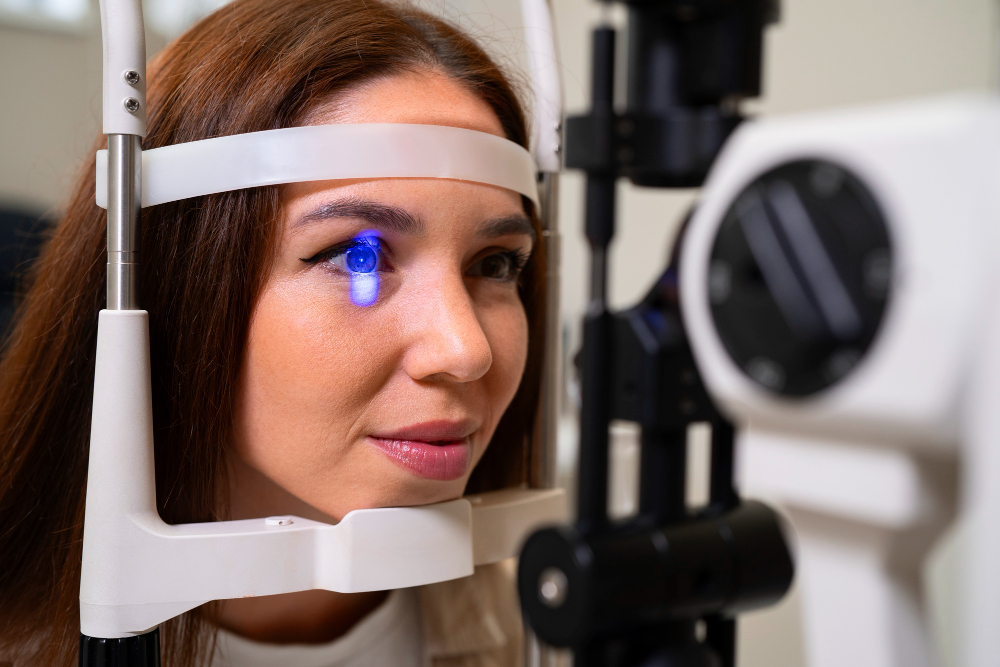
The procedure is simple and usually done in an eye clinic. First, the doctor will numb your eye with special drops. Next, they may gently remove the thin outer layer of the cornea. Then, they will apply riboflavin (vitamin B2) eye drops. After that, a special blue light shines on your eye for about 30 minutes. This light helps the riboflavin work with the collagen fibers. The whole process takes about an hour. Most people feel little pain during the procedure. You can go home the same day.
Benefits and Risks
Corneal collagen crosslinking offers many benefits. For instance, it can:
However, like any medical procedure, there are some risks. These may include:
Most side effects are mild and go away with time. But, it is important to follow your doctor’s advice for the best results. The World Health Organization and leading eye health groups support the safety of this treatment when done by trained professionals.
Recovery and Aftercare
After the procedure, you may feel some discomfort. For example, your eye might feel scratchy or watery. Your doctor will give you special drops to help with healing. You may also need to wear a soft contact lens for a few days. It is important to avoid rubbing your eye. Most people can return to normal activities within a week. However, your vision may be blurry at first. Over time, your sight should improve. Always attend follow-up visits to check your healing.
Prevention and Lifestyle Tips
While corneal collagen crosslinking can help, there are steps you can take to protect your eyes. For instance:
Because early treatment is best, always talk to your eye doctor if you notice vision changes. Healthy habits can help keep your eyes strong.
Conclusion
Corneal collagen crosslinking is a safe and effective way to treat weak corneas. It can help stop vision loss and improve corneal stability. If you have symptoms or are at risk, consult Dr Amogh Jambagi to learn if corneal collagen crosslinking is right for you.
