
What is Seasonal Conjunctivitis?
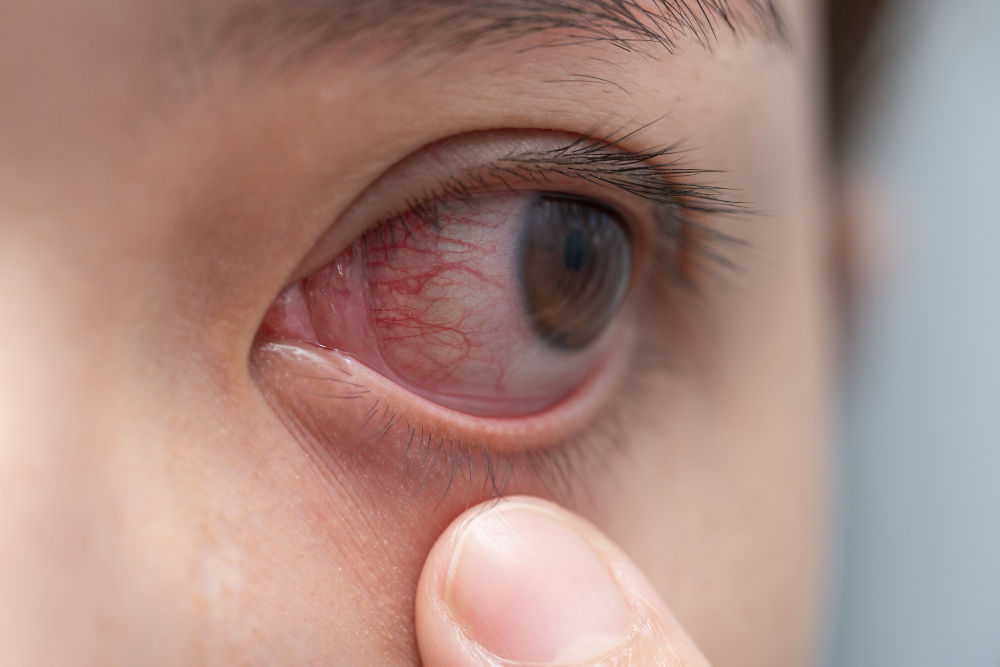
Seasonal conjunctivitis is a common eye problem that happens during certain times of the year. Many people call it “eye allergies” or “allergic conjunctivitis in spring.” It often appears when pollen levels are high, such as in spring or early summer. During these times, you may notice red, itchy eyes during pollen season. This condition is not dangerous, but it can be very uncomfortable. People in different regions may notice symptoms at different times, depending on local plants and climate. For example, those living in areas with many trees or grasses may have more problems when these plants release pollen.
Common Symptoms
Seasonal conjunctivitis causes several bothersome symptoms. However, these symptoms usually go away after the allergy season ends. Look out for these signs:
Sometimes, you may also have other allergy symptoms, such as sneezing or a runny nose. But, eye symptoms are usually the most noticeable.
Main Causes and Triggers
Seasonal conjunctivitis happens when your eyes react to allergens in the air. These triggers can vary by region and climate. For instance, pollen is a major cause in many places. Here are the most common triggers:
Because pollen levels change with the seasons, symptoms often come and go. In some areas, pollen season may last longer, making symptoms worse for some people.
How Seasonal Conjunctivitis is Diagnosed
Doctors usually diagnose seasonal conjunctivitis by looking at your symptoms and medical history. First, they will ask about when your symptoms started and if they get worse during certain times of the year. Next, they may check your eyes with a light to look for swelling or redness. In some cases, your doctor may suggest allergy testing to find out which allergens are causing your symptoms. However, most people do not need special tests. If your symptoms are severe or do not improve, your doctor may check for other eye problems.
Effective Treatment Options
There are several ways to get eye allergy relief. Treatment depends on how bad your symptoms are. Here are some common options:
For most people, these treatments help control symptoms. However, if your eyes do not get better, see an eye specialist for stronger medicine or other care.
Prevention Tips and Lifestyle Guidance
Although you cannot always avoid pollen or other triggers, you can take steps to lower your risk. Try these tips for conjunctivitis prevention:
By following these steps, you can help reduce your chances of getting seasonal conjunctivitis or make symptoms less severe.
When to See an Eye Specialist
Most cases of seasonal conjunctivitis are mild and go away on their own. However, you should see an eye specialist if:
Early treatment can prevent problems and help you feel better faster. In summary, seasonal conjunctivitis is common but manageable with the right care.
For the best advice on managing seasonal conjunctivitis, consult an eye specialist Dr. Amogh Jambagi. They can help you find the right treatment for your needs.
