

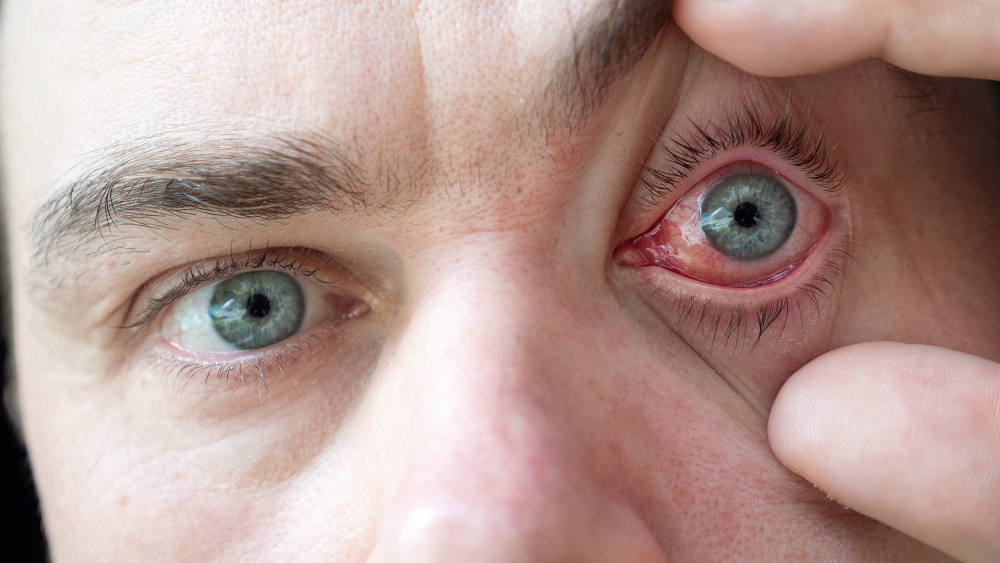
A corneal ulcer is a serious eye condition that can threaten your vision. The cornea is the clear, outer layer at the front of your eye. When it gets infected or injured, a corneal ulcer may form. Because this condition can lead to vision loss, it is important to know the symptoms and seek early treatment. Early care can help prevent lasting damage and protect your eyesight.
What is a Corneal Ulcer?
Simply put, a corneal ulcer is an open sore on the cornea. This sore can be caused by infection, injury, or other eye problems. Since the cornea helps focus light into the eye, any damage can affect how well you see. In many cases, bacteria, viruses, or fungi are to blame. Sometimes, a scratch or injury lets germs enter the eye, leading to an ulcer. According to the World Health Organization, corneal ulcers are a leading cause of vision loss worldwide.
Common Symptoms of Corneal Ulcer
Recognizing corneal ulcer symptoms early can make a big difference. While symptoms may vary, you should watch for these signs:
For example, if you notice sudden pain or a white spot on your cornea, seek help right away. Even mild symptoms can get worse quickly.
Causes and Risk Factors
There are several causes and risk factors for corneal ulcers. Some of the most common include:
Additionally, people who swim with contact lenses or use contaminated eye drops are at higher risk. Because the cornea is exposed, even small injuries can let germs in.
Why Early Treatment of Corneal Ulcer is Critical
Early treatment for corneal ulcer is vital. Without quick care, the ulcer can get larger and deeper. This may lead to scarring, vision loss, or even blindness. In some cases, the infection can spread inside the eye. According to the Centers for Disease Control and Prevention (CDC), fast treatment greatly improves the chance of full recovery. Therefore, do not wait if you notice symptoms.
Diagnosis and Treatment Options
Doctors use several steps to diagnose a corneal ulcer. First, they examine your eye with a special light. Sometimes, they use dye to see the ulcer more clearly. They may also take a small sample to find out what type of germ is causing the problem.
Treatment depends on the cause. Common options include:
Because early treatment for corneal ulcer works best, follow your doctor’s advice closely. Never stop drops early, even if you feel better.
Prevention Tips for Corneal Ulcer
Preventing corneal ulcers is possible with good eye care. Here are some helpful tips:
By following these steps, you can lower your risk of developing a corneal ulcer.
When to See an Eye Specialist
If you notice any symptoms of a corneal ulcer, do not wait. Even mild pain or redness can signal a serious problem. For instance, if your vision changes or you see a white spot on your eye, seek help right away. Early treatment for corneal ulcer can save your sight. Always consult an eye specialist for proper diagnosis and care.
If you notice any symptoms of a corneal ulcer, consult an eye specialist Dr. Amogh for personalized care.